
Hearing Music In A Theatre
Creating Live Productions For Theatre Stages
A theatre changes the way music is heard. The same song that feels casual in a bar or immediate at a festival can feel cinematic, intimate or deeply dramatic when placed on a stage in front of a seated audience. In a theatre, listeners arrive ready to focus. They are not only hearing the music—they are watching it unfold.
That shift in attention is what makes theatre productions so compelling. A live music show in this setting has the opportunity to become more than a sequence of songs. It can become a narrative experience, where repertoire, pacing and atmosphere combine to create a sense of journey.
More Than a Setlist
One of the biggest differences between a theatre show and a standard live set is structure. In many venues, songs simply need to work moment by moment. In a theatre, they also need to work across the whole evening.
How does the show begin? Where does it build tension? When should the room breathe? What should the audience feel by the final number?
These questions shape the emotional arc of the performance. Contrast becomes essential: intimacy followed by scale, humour balanced with reflection, familiar moments placed beside surprise.
The Role of Storytelling
Even when there is no spoken narrative, theatre audiences instinctively look for meaning and connection. They respond to themes, recurring moods and a clear artistic identity.
That storytelling might come through the repertoire itself, through the way songs are linked together, or through the perspective of the performers. Tribute productions, genre-led shows and original concepts all succeed when they offer audiences something to follow emotionally, not just musically.
What the Audience Sees Matters Too
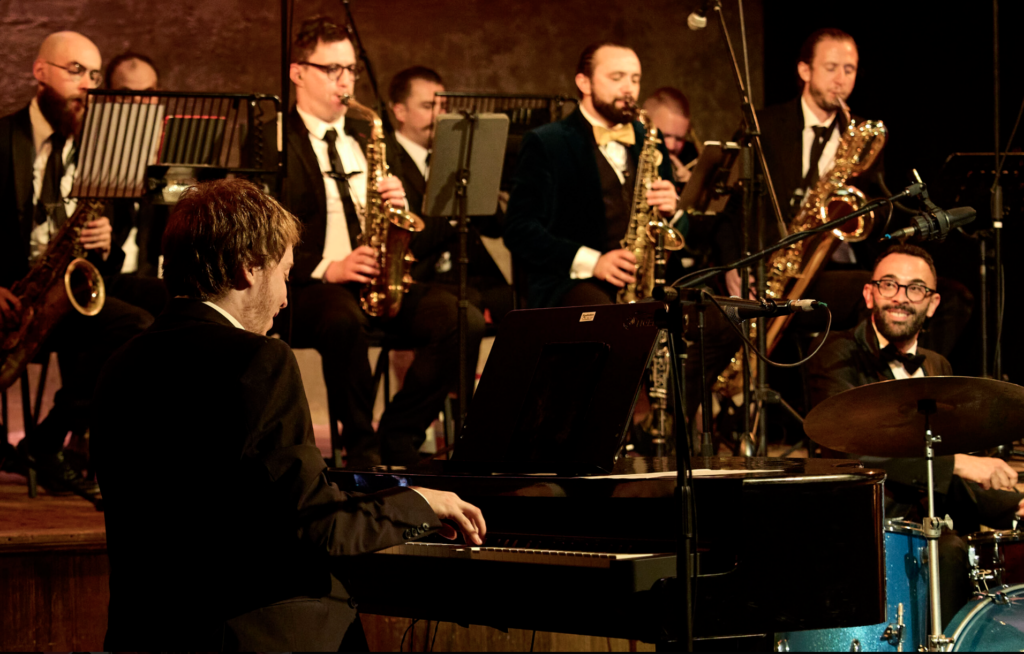
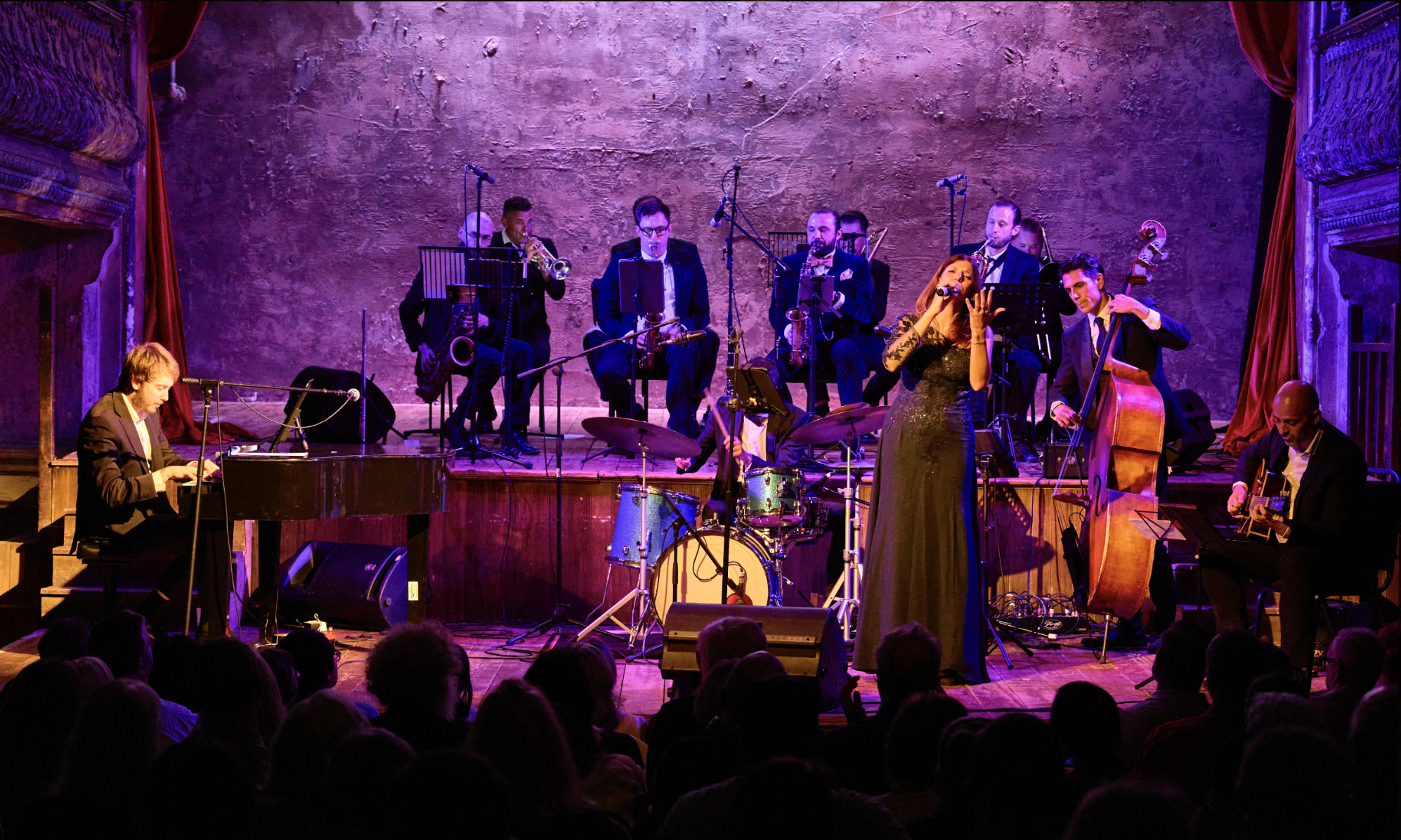
Music on a theatre stage is always visual. Lighting, entrances, staging, movement and presentation all influence how a performance is received.
This does not mean every show needs elaborate production. Often, the most effective visual choices are the simplest: a strong opening image, thoughtful use of space, or a shift in lighting that supports the emotional tone of a song.
When sound and visuals support one another, the audience experiences the show as a complete world rather than separate elements.
Why Theatre Still Matters
At a time when almost any music can be streamed instantly, theatre offers something increasingly valuable: presence. A shared room, focused attention, and the feeling that this version of the music exists only tonight.
That is why theatre remains one of the most powerful settings for live music. It invites artists to think bigger, audiences to listen deeper, and performances to become experiences rather than background sound.